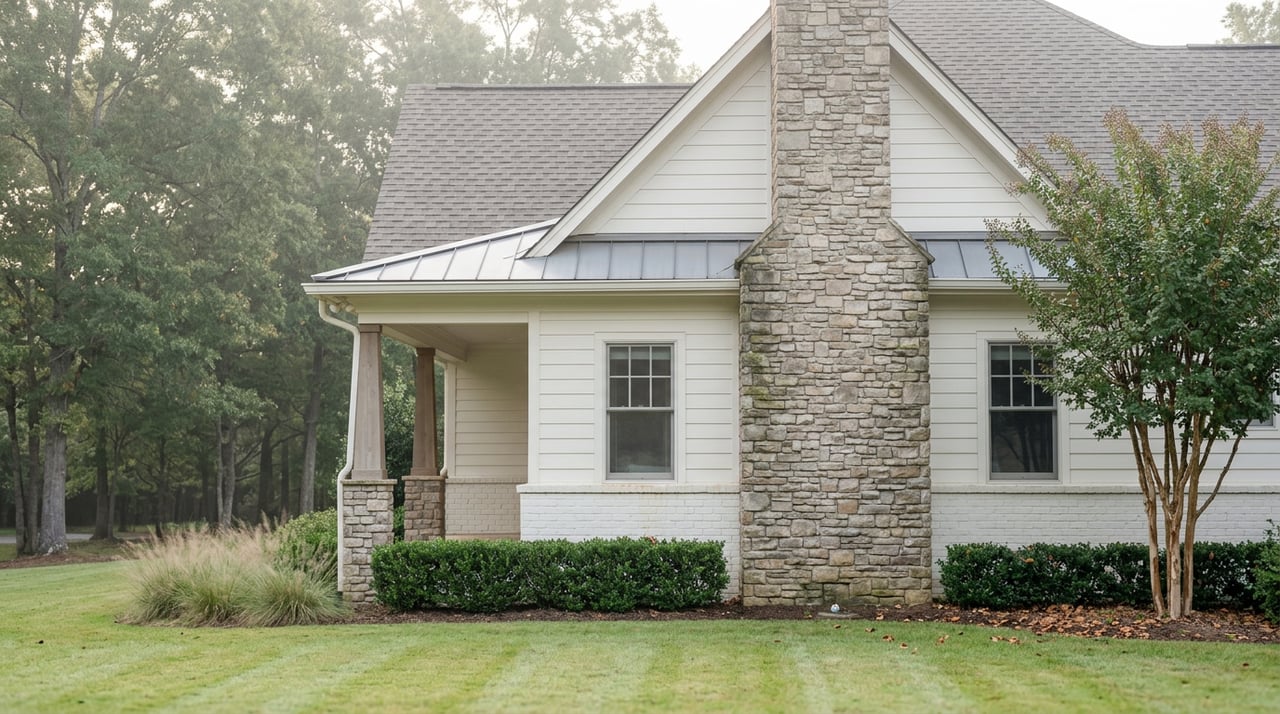
Weymouth Heights Isn't One Historic District. It's Two Neighborhoods Wearing the Same Name.
August 27, 2026
August 27, 2026
Picture two listings that both say "Weymouth Heights" in the description. One sits on Highland Road, a few hundred feet from where the old Highland Inn once stood. The other sits several blocks south, past a plat line drawn more than a century ago. The first owner cannot swap a window sash or add a rear deck without a hearing before the town's Historic District Commission. The second can pull a standard permit and start work Monday morning. Nothing in either listing tells you which one you're buying.
That gap is not a rumor or a technicality some agent glossed over. It's baked into how the neighborhood was built, and it matters more to a buyer's renovation plans than square footage or list price ever will.
Weymouth Heights exists because the Boyd family, who owned an estate called Weymouth on the edge of what would become Southern Pines, brought in Alfred B. Yeomans in 1913 to lay out a new plat around the Highland Inn. Yeomans designed the curving streets and generous, set-back lots that still define the area today. Weymouth Road, Valley Road, and Highland Road all trace back to that first phase, and all three sit inside the boundary of what became the Southern Pines Historic District.
By 1924, the Boyd heirs had sold off nearly all of that original plat and added more than fifty acres to the south, east, and west, again following a Yeomans-drawn plan. The National Register nomination for the district describes that second expansion plainly: part of it falls outside the historic boundary. A third phase, platted farther south in 1926, goes further still. The nomination's own language calls it "most out of the district."
So the name "Weymouth Heights" was never tied to a single plat or a single set of rules. It grew in three separate pushes over thirteen years, and only the earliest one landed fully inside the line that the town would later use to define its regulated historic core.
The Town of Southern Pines runs a Historic District Commission whose job, in its own description, is to review applications for construction, alteration, or demolition of buildings within the designated historic district and to issue Certificates of Appropriateness for that work. If your parcel falls inside that boundary, exterior changes go through the commission before you get a building permit. If it doesn't, they don't.
This isn't a new impulse dressed up in preservation language. The original 1913 and 1924 deeds for Weymouth Heights lots already required buyers to build a house above a set minimum cost within seven years, and to get their plans approved by the Boyds' own site planner before construction began. The idea that a house in this neighborhood needs someone else's sign-off before it changes is more than a hundred years old. The Historic District Commission just formalized what a private deed covenant used to do.
Based on the district's own historical record, the ground that sits inside the regulated boundary centers on the original 1913 layout:
These blocks contain some of the district's most documented architecture, including Loblolly, an English and Norman cottage style house built in the 1920s with checkerboard brick and a slate roof, and the James Boyd House itself, both cited among the district's contributing buildings. Architect Aymar Embury II designed several structures within this stretch, and Yeomans himself designed a handful of specific houses along Highland Road and nearby streets, in addition to laying out the roads.
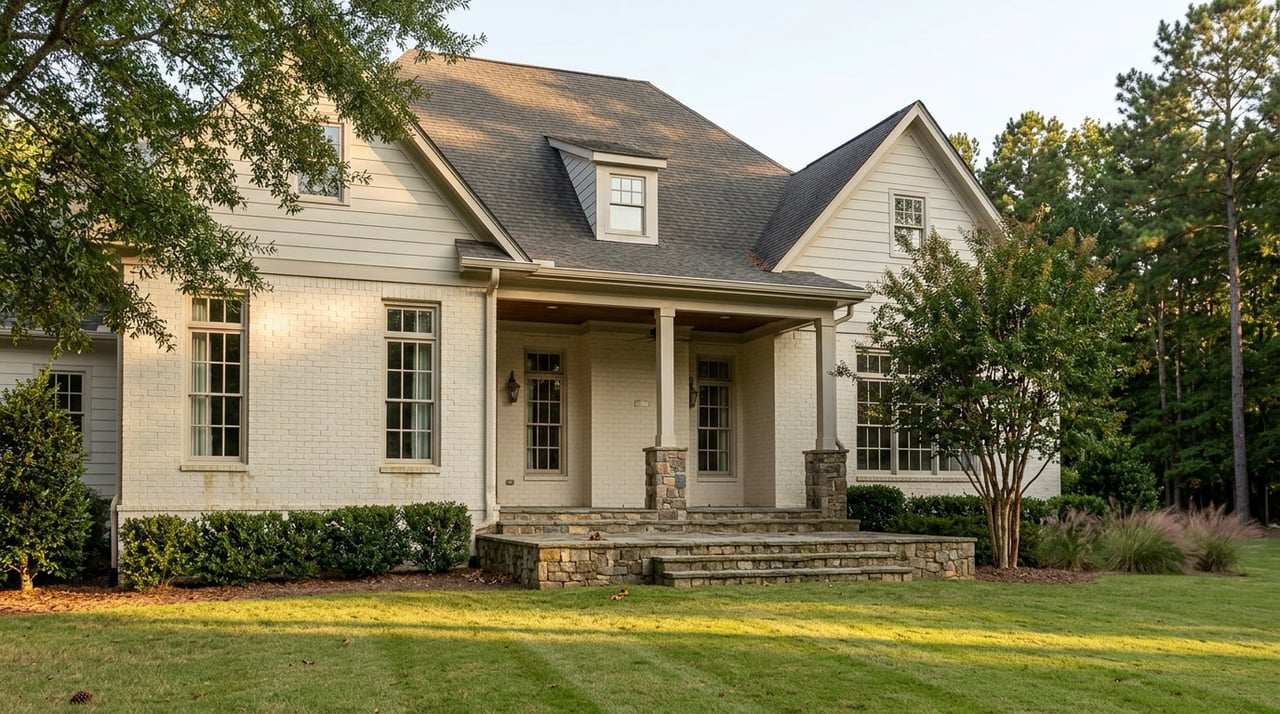
The 1924 and 1926 expansions run south of that original core. Those blocks carry the Weymouth Heights name in every listing and every conversation, but a meaningful share of that ground sits outside the boundary the town actually enforces. A house there can be altered, expanded, or torn down and rebuilt under ordinary zoning, with no Certificate of Appropriateness required, regardless of how old or how charming it looks from the street.
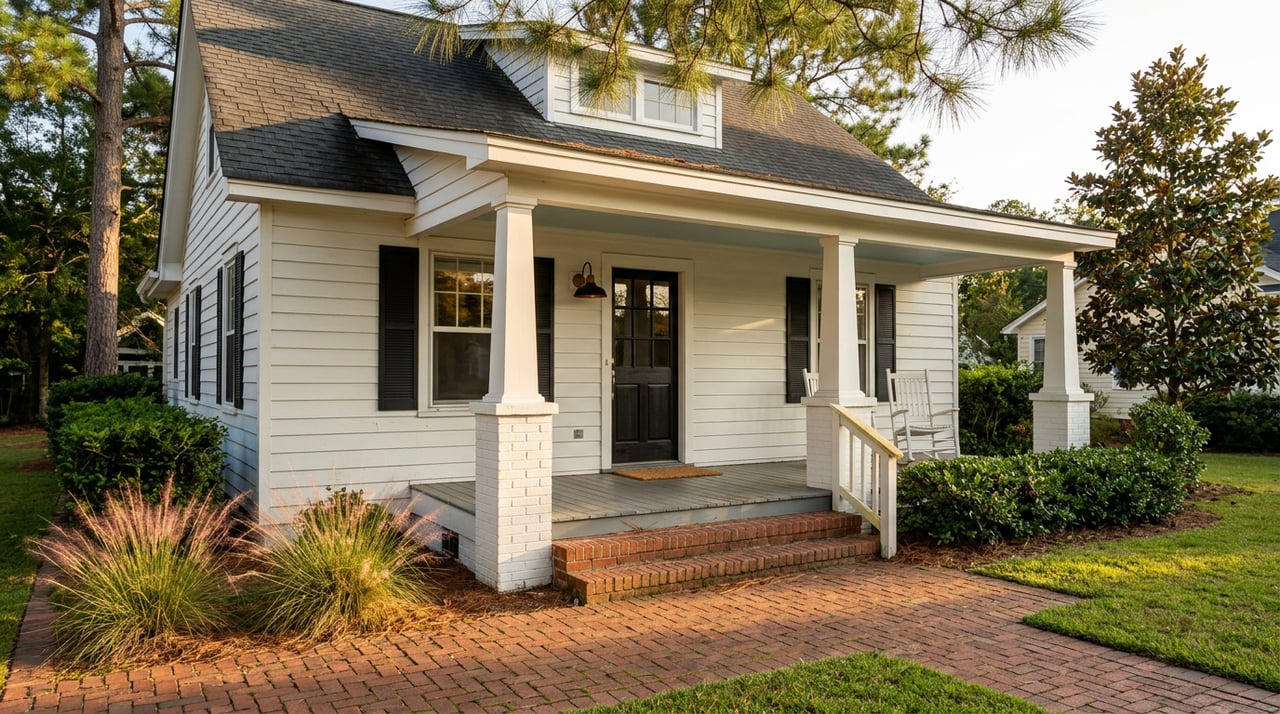
Two closings from December 2025 make the point well. A 1,451 square foot cottage sold for $325,000. Eleven days later, a 4,808 square foot five-bedroom house sold for $1,150,000. The broader inventory in the neighborhood spans roughly 1,567 to 5,524 square feet.
Read that spread against the history above and it stops looking like ordinary variation in size and finish. A large architect-associated house sitting inside the regulated core carries real constraints on what an owner can do to it, but it also carries the weight of a documented design pedigree that buyers pay for. A smaller mid-century or post-war house sitting in the 1924 or 1926 expansion may look similar from the curb, but it sits on ground that was never fully absorbed into the protected boundary, and it comes with none of the same review process.
Countywide, Moore County's median listing price reached $479,706 in June 2026. A Weymouth Heights property at either end of that neighborhood's price range can land far from that county figure for reasons that have little to do with condition or lot size. Some of that gap is the boundary itself, quietly doing pricing work that a comparable-sales sheet won't explain on its own.
A listing description will never volunteer which side of the boundary a house sits on. Before you assume anything about renovation flexibility either way, a few steps matter more than they might seem to:
None of this shows up on a portal listing page. It shows up in a conversation with someone who has walked these particular streets and knows where Yeomans's original plat ends and the later additions begin.
That's the kind of distinction Ross Laton has spent decades tracking across Moore County, not just in Weymouth Heights but in every pocket of Southern Pines, Pinehurst, and the surrounding lake and golf communities where a name on a sign doesn't always match the rules underneath it. If you're weighing a purchase or a sale in a neighborhood where the details matter this much, let's connect.
Stay up to date on the latest real estate trends.

With deep roots in Seven Lakes and a passion for helping clients make confident real estate decisions, Ross Laton offers local insight, personalized service, and a seamless experience from start to finish.

SEVEN LAKES REAL ESTATE
103 Fawn Court West End, NC 27376 MON - SAT 8:00AM - 7:00PM SUN 1:00PM - 5:00PM